
Skip to content
Verden Engineering
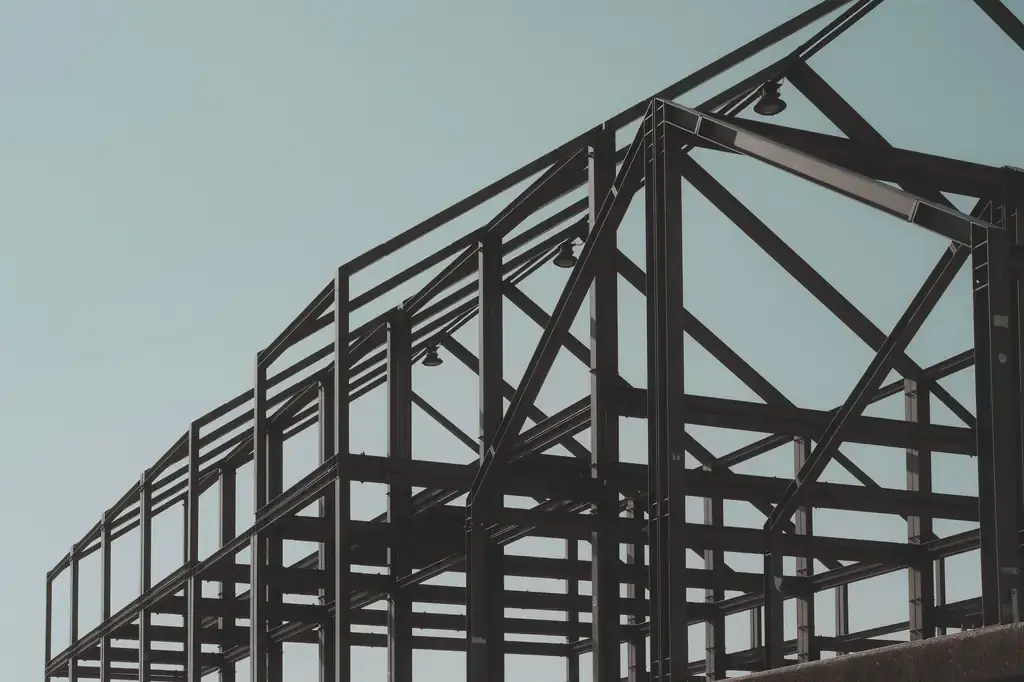
Steel frame of a building under construction

02 — CONSTRUCTION

The material on a structure that has to last.

We specify construction-chemical systems for joints and surfaces under chemical, mechanical and weather stress. The brief is the structure as it stands, including a repair that has to meet what is already there.

System categories

  • Joint sealants

  • Joint profiles

  • Adhesives and adhesive mortars

  • Sealing tapes

  • Primers

  • Epoxy coatings

  • Polyurethane coatings

  • PU binder for natural stone carpets

  • Concrete substitutes

  • Composite materials

  • Auxiliary materials

THE LOAD

Water, chemicals, heat, traffic and movement decide joint and surface life.

A joint lives or fails on the chemical, the temperature and how far the slab moves. Standing water and traffic make the same demand of the surface around it.

What is already built stays in the brief. A new sealant or mortar has to bond into the joint and the concrete that are there.

THE SYSTEMS

Four facts the specification is built on.

01

Polysulphide joints

We specify high-polysulphide sealants, pourable and stable (gun-grade), with a high polymer content, for chemical resistance and for a cold-vulcanising repair into existing polysulphide. On the petrochemical systems the stated range is about −50 °C to +120 °C, with a stated service life over 10 years.

02

Liquid-tight repair

For existing concrete we specify a two-component epoxy mortar, including joint edges and upstands on concrete, reinforced concrete and precast. The WHG mortar is published at 96 N/mm² compressive strength, with asphalt repair, crack filling and an anchor adhesive that carries an ETA for cracked and non-cracked concrete.

03

Profiles and linings

Drivable joint profiles are specified for liquid-tight slabs, in new build and in renovation. Joint tapes cover wide joints, movement and floor-to-wall connections in German WHG and LAU areas, and surface linings cover catch basins and difficult substrates, including an electrostatically dissipative version.

04

Where they are used

Published fields include airfields, under kerosene, de-icing agents and hydraulic oils, plus traffic routes, rail joints and warehouses. Chemical and petrochemical plants, tank farms and building joints are included, with DIN 18540 cited for the tape.

THE ENGAGEMENT

From the structure in front of us to a system that can be installed.

01

Read the structure

Movement, chemical exposure, temperature and the condition of the concrete or asphalt already in place.

02

Specify the system

Sealant, tape, profile, mortar or lining, with the primer and the approvals published for that system.

03

Support the installation

We support the published method on site. Fast-curing grades shorten a traffic or airfield closure, and mixing uses the equipment supplied with the system.

Defined systems are published with building-authority approvals. Those approvals and the published test values belong to the specified system, not to a Verden project list.

Have a technical challenge? Let's scope it together.

Start a conversation